There is a version of Dubai that arrives at speed — the towers, the fountains, the malls engineered to keep you inside. And then there is Al Quoz, a low-slung industrial district of car workshops and marble yards where, some years ago, a family firm called Alserkal began leasing its warehouses to galleries instead of tenants who needed a loading bay. The result, Alserkal Avenue, is the city's quietest and most serious cultural quarter: concrete floors, roll-up doors, and behind them some of the best contemporary art between Istanbul and Mumbai. This is the Dubai that doesn't shout, and it rewards anyone willing to leave the skyline behind for a morning.
What follows is not a checklist to be raced through for a photograph. It is a walkable day, ordered roughly the way the district itself wakes up — coffee first, galleries as they open, lunch in the middle, and, if your timing is kind, a late evening when the whole avenue stays lit.
First, the coffee
Alserkal keeps gallery hours, which means most doors stay shut until late morning. Use the gap. Nightjar Coffee Roasters (Alserkal Avenue, Al Quoz) is the district's award-winning artisanal roaster and its natural first stop — a walk-in place, fine for a small group, though genuinely snug when the crowd builds, so arrive before the galleries do rather than after. Sit with a flat white and watch the avenue shift from delivery vans to visitors. It is a small ritual, but it sets the pace for a place that is best taken slowly.
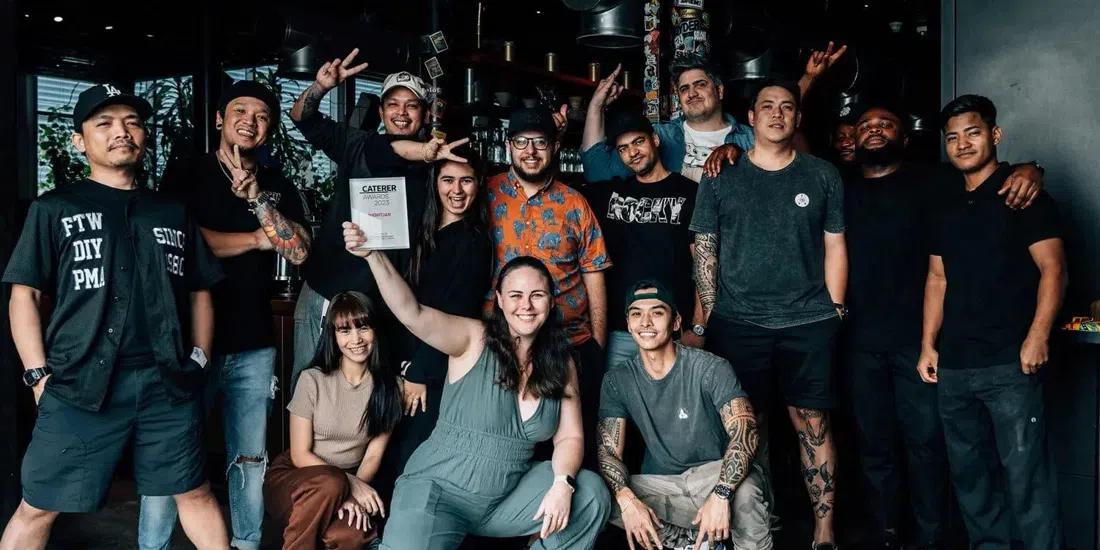
If you would rather ease in over a longer breakfast, Wild & the Moon (Alserkal Avenue, Al Quoz) is a few doors along: organic, plant-based, consistently good, and happy to take groups without a booking for most tables. It is the district's honest fuel — the sort of food that lets you spend three hours on your feet in front of paintings without flagging.

The galleries: where the real work is
Alserkal's galleries are free, and almost all of them welcome walk-ins. That openness is the point — you are meant to wander in, look, and leave without buying or explaining yourself. A sensible loop starts with the anchor and works outward.
Leila Heller Gallery (Alserkal Avenue, Al Quoz) was the first international gallery to open here, and in 2026 it remains the district's flagship: a large space given to museum-scale shows that move easily between Western names and Middle Eastern ones. Entry is free, walk-ins are welcome, and it comfortably absorbs groups — private guided tours can be arranged on request if you want the work unpacked properly. It is the right place to begin, if only because its ambition recalibrates what you expect from the smaller rooms nearby.
From there, Carbon 12 (Alserkal Avenue, Al Quoz) is one of the most respected serious galleries in the district — a trans-regional programme of emerging and mid-career abstraction, shown in an intimate space. Entry is free and small groups are fine, but the room is not large; a full tour should call ahead rather than descend unannounced. It rewards the kind of slow looking the crowds at bigger venues rarely allow.
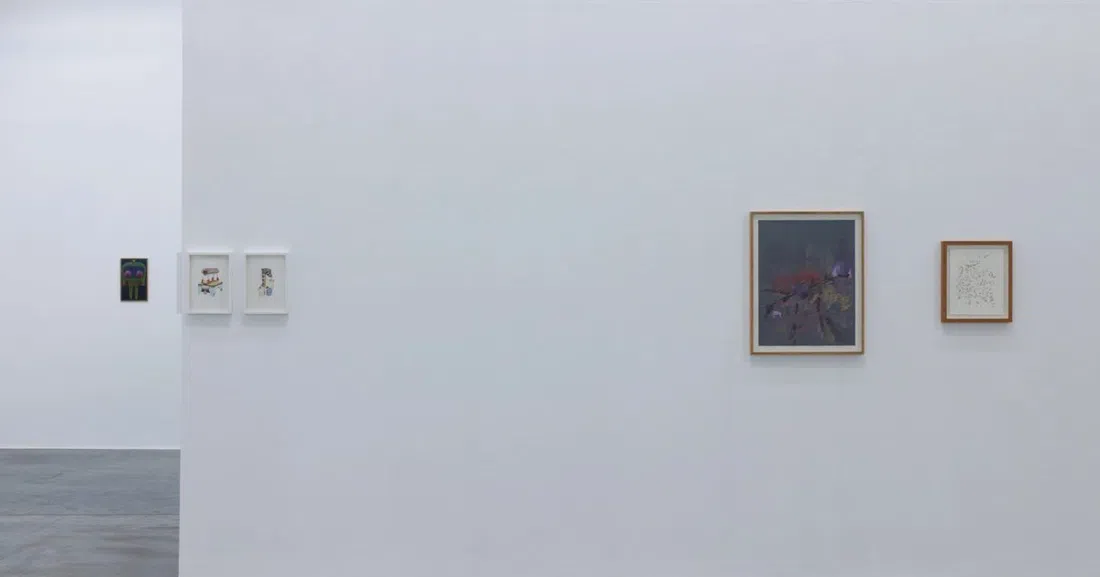
The Third Line (Alserkal Avenue, Al Quoz) is essential for understanding why any of this exists. A founding Dubai gallery, it has championed Middle Eastern contemporary artists since long before the district acquired its polish, and it tells the region's own art story rather than importing someone else's. Entry is free, groups are welcome, and guided visits can be arranged. Give it more time than its modest footprint suggests.
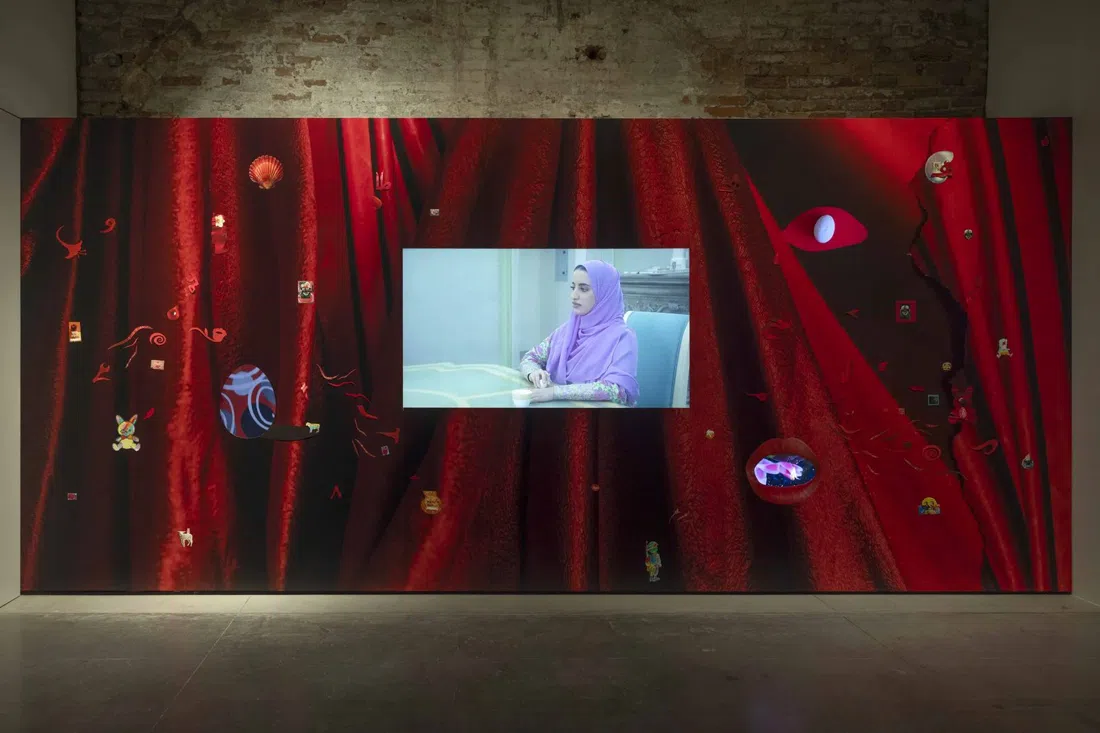
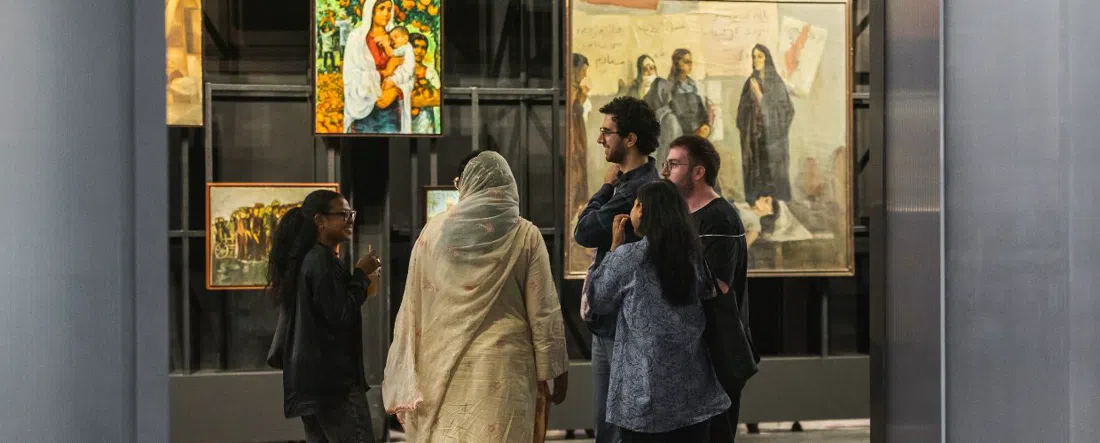
For a change of register, step into Ishara Art Foundation (Alserkal Avenue, Al Quoz). Not a commercial gallery but a non-profit foundation, it is the Gulf's leading platform for South Asian contemporary art — quieter, more deeply curatorial, and a welcome counterweight to the buy-and-sell energy elsewhere. Entry is free, it welcomes groups, and it is the one venue here that genuinely repays a docent-led walkthrough if you can arrange it.

Two more belong on any thorough crawl. Green Art Gallery (Alserkal Avenue, Al Quoz) is one of the region's pioneering contemporary galleries — free to enter, comfortable for small-to-mid groups, and reliably strong whatever is hanging. Lawrie Shabibi (Alserkal Avenue, Al Quoz), founded in 2010, concentrates on contemporary work from the Middle East and North Africa and consistently programmes to museum quality; entry is free, and groups are welcome by arrangement. Between the two, you will have seen the district's serious middle — the galleries that keep Alserkal honest.
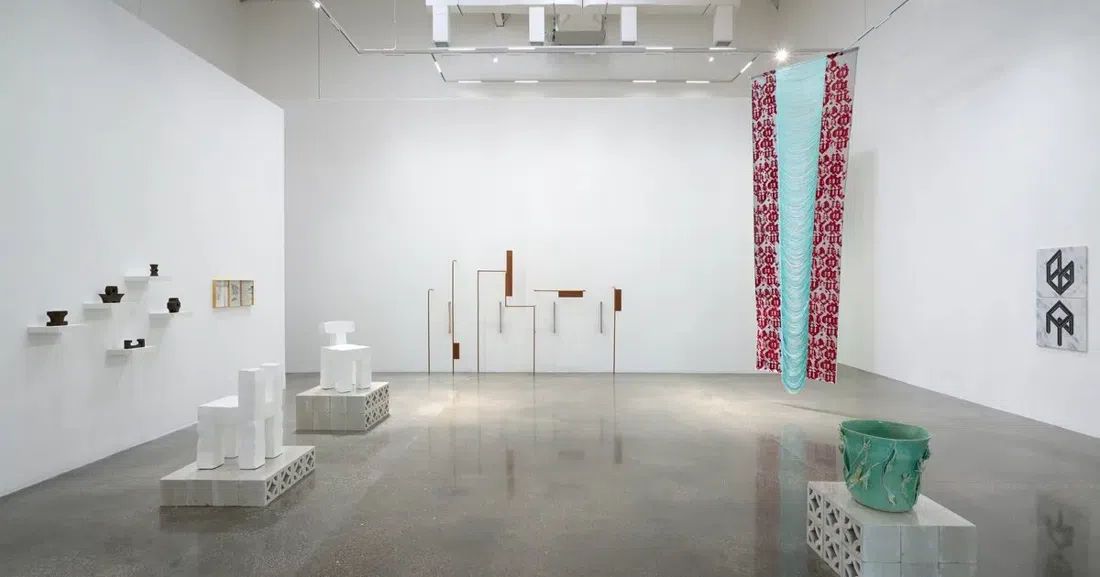
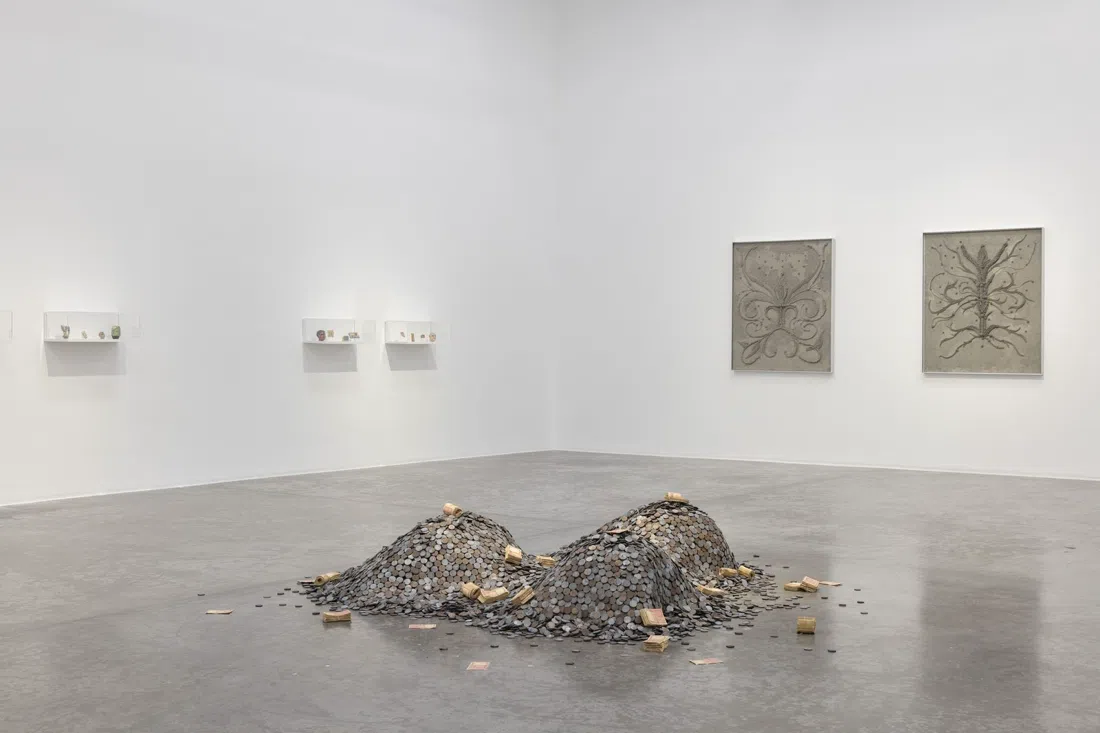
A word on how to do this well: six galleries in one visit is ambitious, and the district is not built for a sprint. If you are a couple with a full day, take them all. If you are a larger group, or short on time, pick three — Leila Heller for scale, The Third Line for context, Ishara for depth — and let the others wait for a return.
Concrete: the building itself
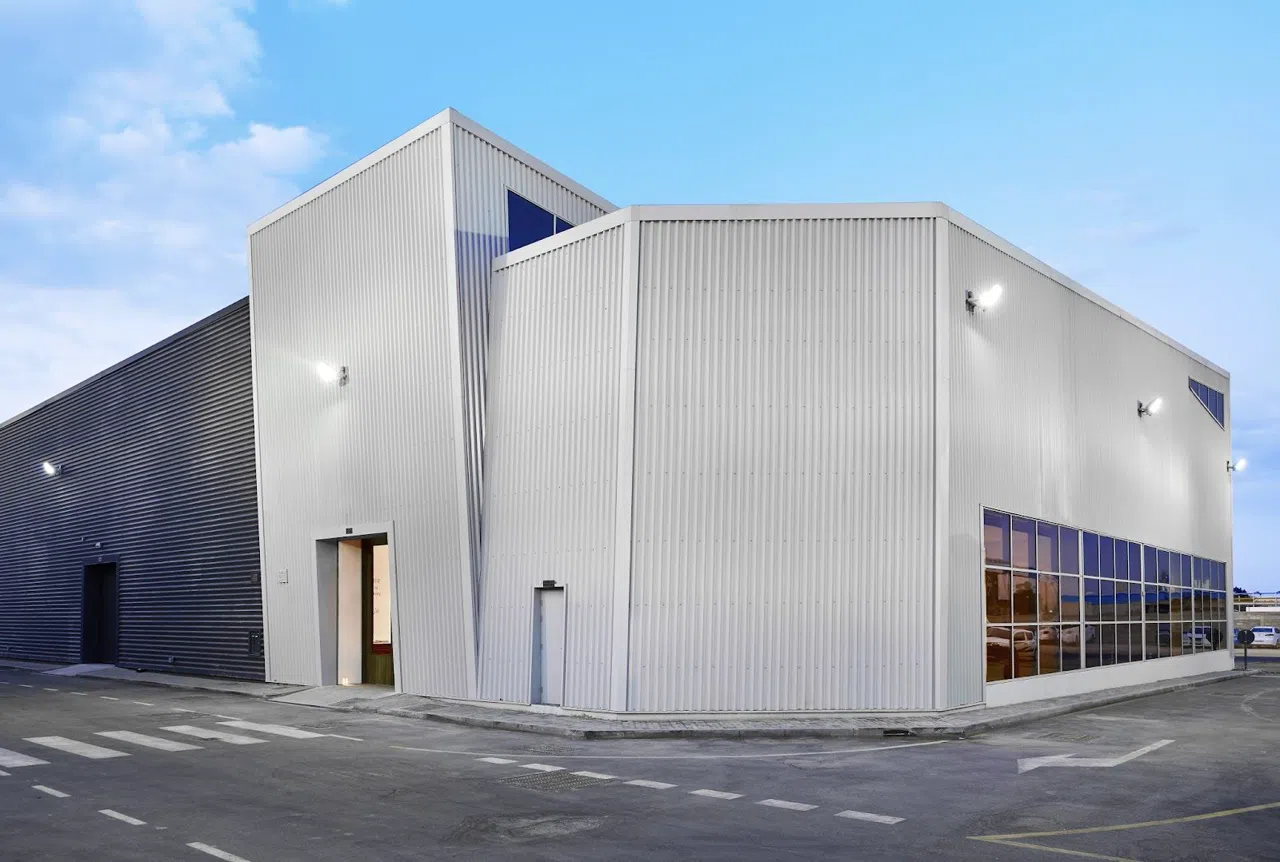
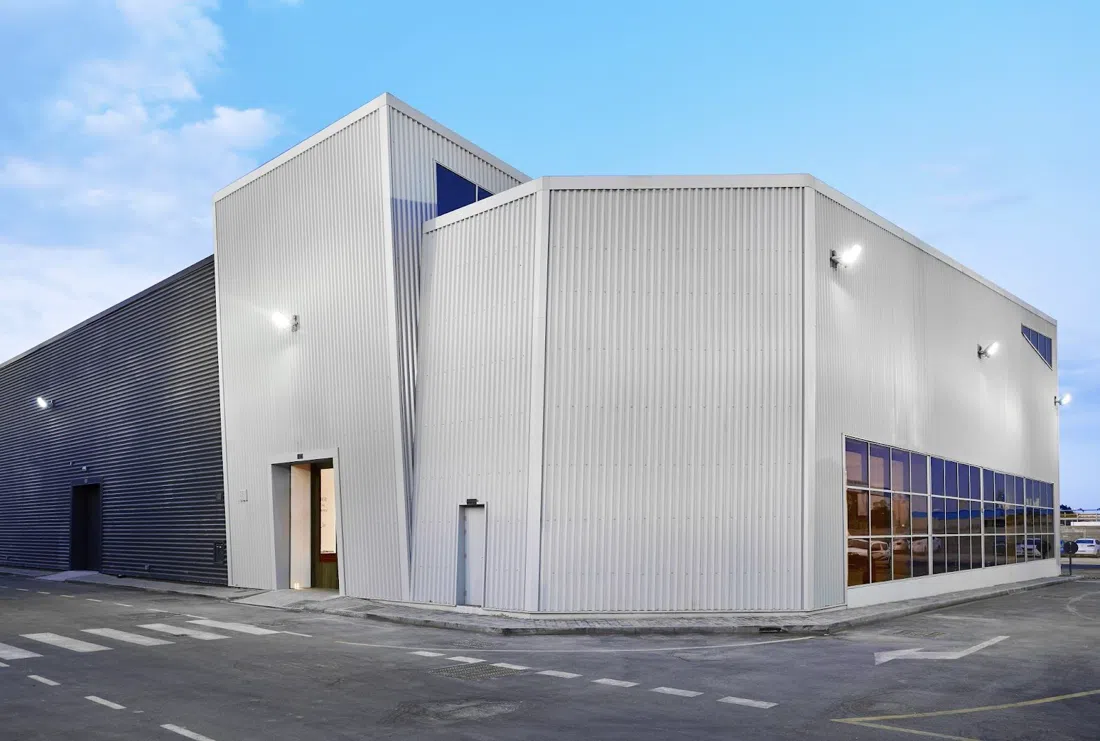
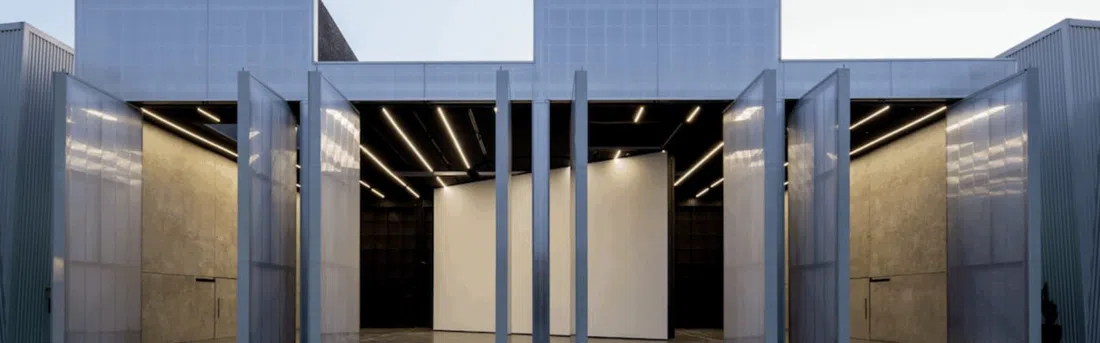
Between shows, one venue is worth seeing for its walls alone. Concrete (Alserkal Avenue, Al Quoz) is the first building in the United Arab Emirates designed by OMA, the Office for Metropolitan Architecture founded by Rem Koolhaas — a flexible, purpose-built hall for large exhibitions, talks and events. Its programming is intermittent and its admission depends on what is on, from free to ticketed, so check before you make a special trip. But even on a quiet day, the architecture repays a look: translucent panels that shift the light, a space engineered to be reconfigured rather than admired, which is its own quiet argument about what a cultural building is for. It is the rare piece of design here that came from an architect's drawing board rather than a warehouse's second life.
The cinema in the warehouse
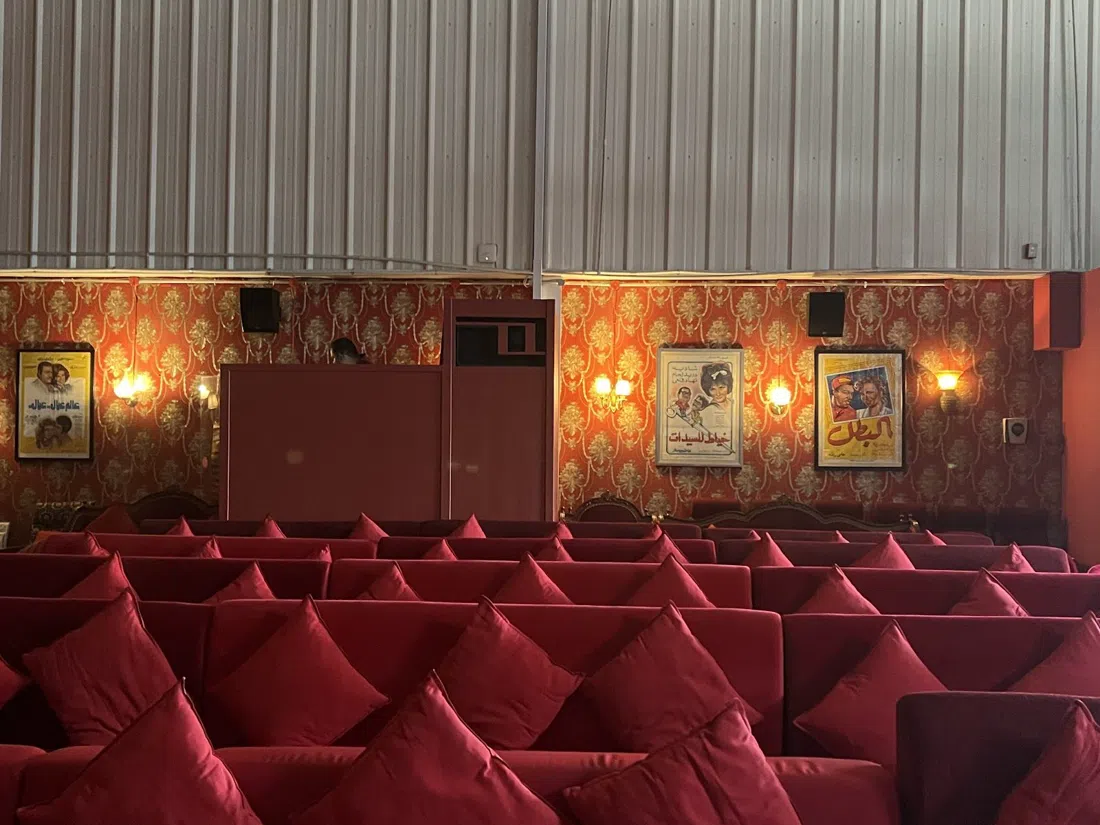
Halfway through the day, the district offers somewhere to sit down in the dark. Cinema Akil (Alserkal Avenue, Al Quoz) is the Gulf's only dedicated independent arthouse cinema — world, classic and regional films of the kind the malls never screen. It began, fittingly, as a roving pop-up before it found a permanent home in Al Quoz, and that itinerant history still shows in its programming, which ranges wide and unapologetically. Screenings are ticketed, roughly AED 45–55, and groups are fine, though popular titles and festival nights sell out, so book ahead. In 2026 the Summer of Classics season runs here — a good reason to plan an afternoon or evening around a specific film rather than leaving it to chance.
Lunch, and a place to regroup
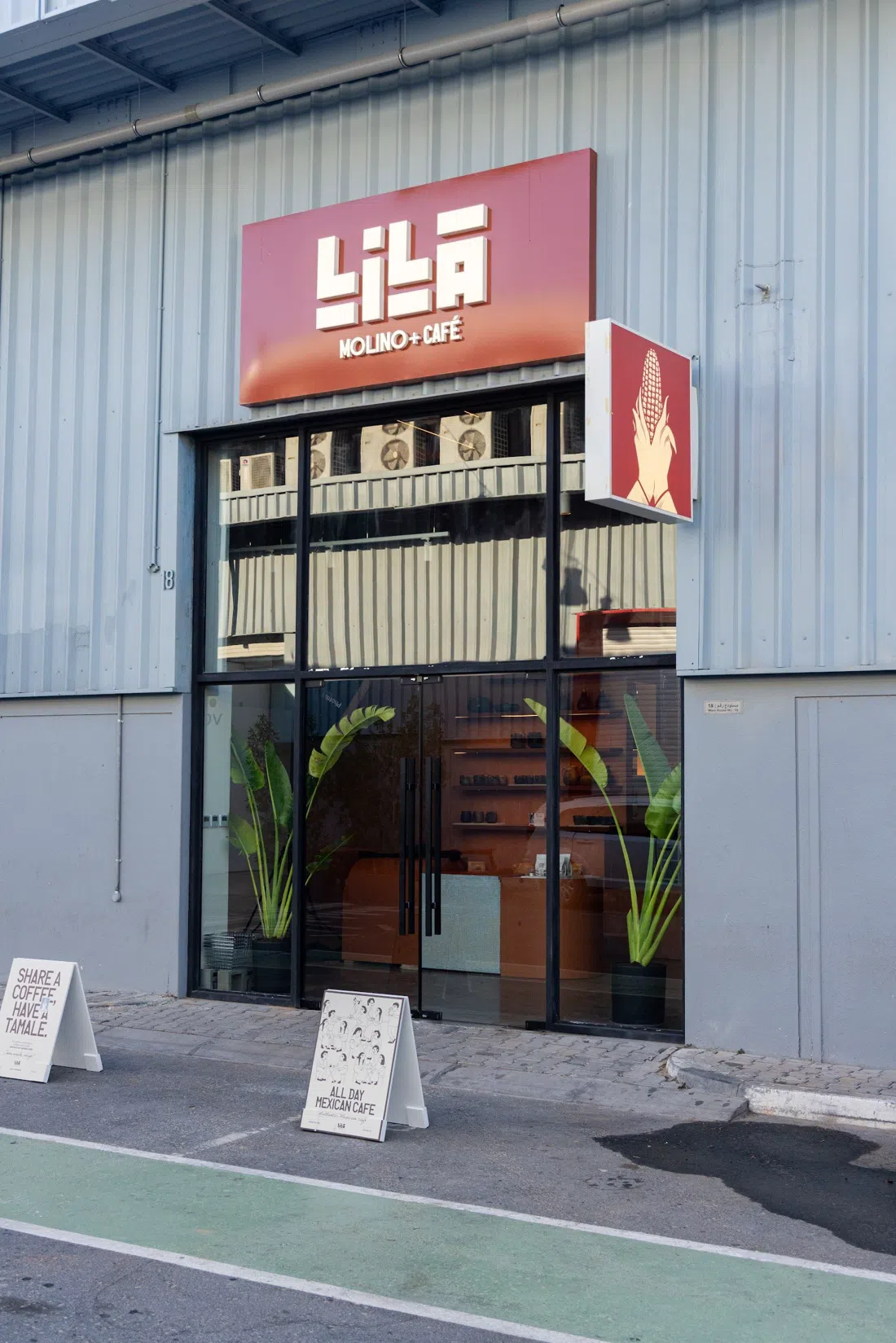
By midday you will want to sit for longer than a coffee. Lila Molino + Café (Alserkal Avenue, Al Quoz) is the strong newer option — from the Lila Taqueria team, an all-day Mexican café built around corn tortillas pressed fresh each day. It takes walk-ins and bookings, welcomes groups, and sits at a fair mid-range price. It is the kind of lunch that feels like part of the district rather than a concession to hunger.
When the group inevitably splinters — one person still in a gallery, another ready to sit down — A4 Space (Alserkal Avenue, Al Quoz) is where you reconvene. Part café, part community living room, part screening spot, it is the avenue's natural meeting point, casual and unfussed about groups, and gentle on the wallet. Think of it as the district's front porch: somewhere to compare notes on what you have seen before deciding what is next.
For those with an appetite for something less predictable, INKED (Alserkal Avenue, Al Quoz) treats a meal as art — concept and pop-up dining, reservation-led, built for small groups and private tables rather than a casual drop-in. Set menus start around AED 300, so it is the day's indulgence rather than its default. Book ahead; this is not a place you stumble into, and its whole character depends on the planning.
The night the avenue opens
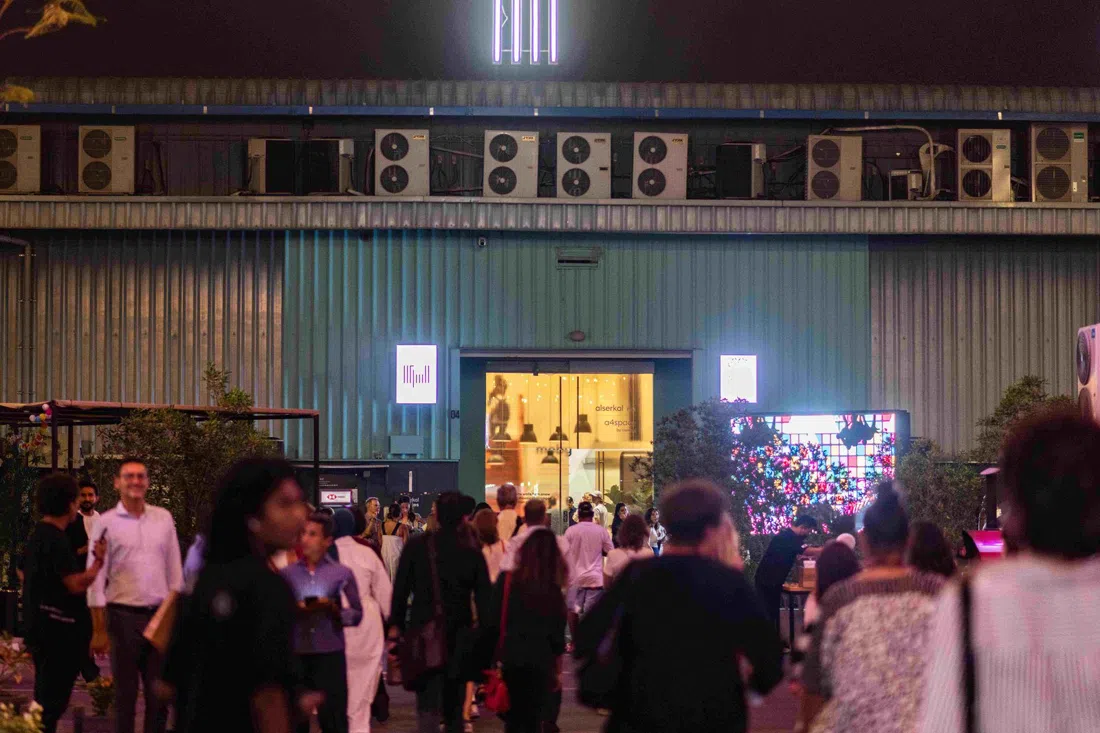
If you can shape your visit around one thing, make it Alserkal Lates (Alserkal Avenue, Al Quoz). On these evenings the entire district stays open at once — galleries, performances, food and music running together — and it is free, open to all, and easily the best time to experience the place as a group. The daytime hush gives way to something closer to a street festival, but a curatorial one: you can drift from a gallery talk to a live set to a food stall without the transactional edge of a normal night out. There is no charge to attend; you simply pay for what you eat and drink. Check the schedule before you plan your trip, because catching a Lates evening changes the whole texture of the visit.
Pairing the morning: Dubai Design District
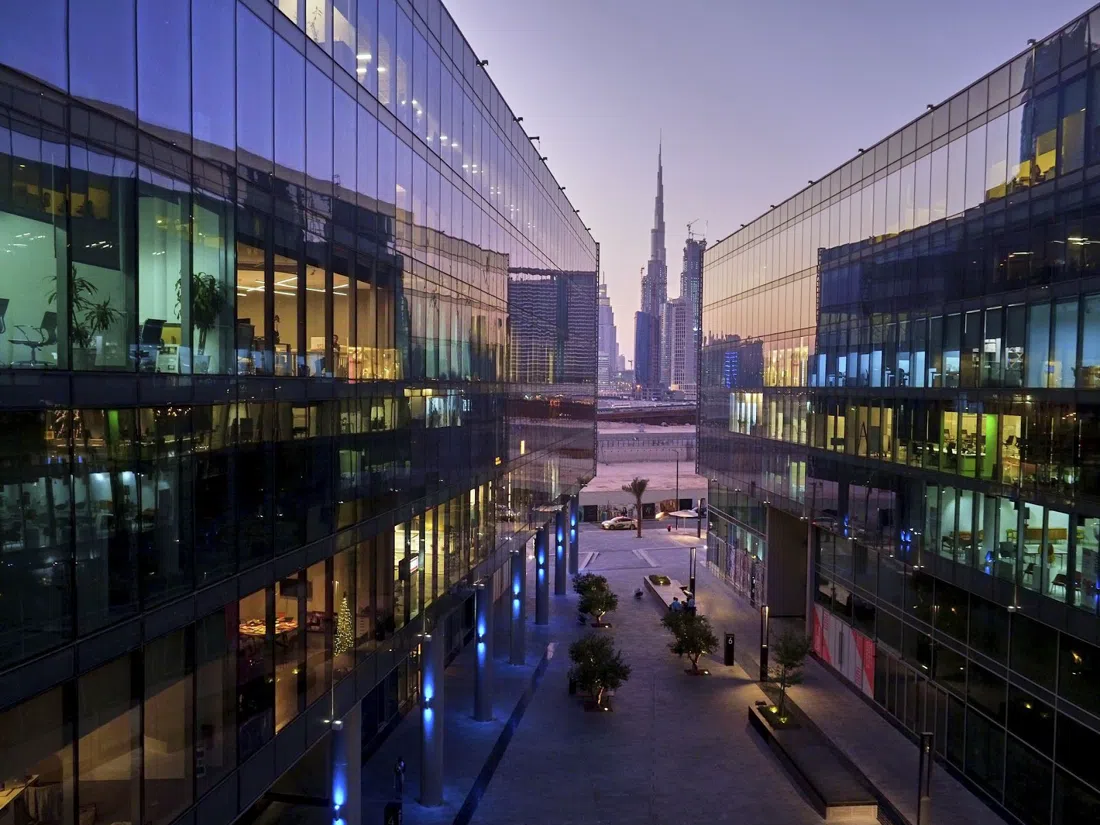
Alserkal is raw-warehouse Dubai, and that grit is precisely what makes it worth the drive. But it pairs beautifully with its polished cousin. Dubai Design District (d3), a fifteen-minute drive away, is free to wander and stocked with design studios, showrooms and waterfront restaurants that take groups happily. Spend the morning among Al Quoz's concrete floors and the afternoon on d3's promenade, and you will have seen both sides of the city's creative economy in a single day — the workshop and the showroom, the experiment and the finished object. The contrast is the point; neither quite makes sense without the other.
For more on the wider city — where to stay, how the districts connect, what else is worth your time — the Dubai guide is the place to start planning around this day rather than treating it as a detour.
The practical part
Getting there. Alserkal Avenue sits in Al Quoz, an industrial zone with no metro station at its door, so a taxi or ride-hail is the honest answer — from Downtown or the Marina it is a short, cheap trip. Coming by car is easy and parking within the district is free, which is not something Dubai says often. d3 is a further fifteen minutes by road, so plan the pairing as two hops, not a walk.
Timing. Galleries generally open late morning and run into the evening, and many close on one day of the week — check individual venues before you set out, particularly if you are travelling specifically for one show. Late afternoon and early evening are the district's best hours: cooler, quieter, and better lit. In the summer months, treat the outdoor stretches between warehouses as short dashes and let the air-conditioned galleries set your pace.
Cash and cards. Everything here takes cards, and you will rarely need cash. Budget in local currency: the galleries and Concrete's between-show days cost nothing, Cinema Akil runs about AED 45–55 a ticket, café lunches at Lila Molino, Wild & the Moon or A4 Space sit in comfortable mid-range territory, and INKED's set menus from around AED 300 are the one line item to plan for. A full day of art, coffee and a good lunch can cost very little; the extravagance is optional and clearly signposted.
Who it suits. Couples and solo visitors have the easiest time — the galleries are made for unhurried, self-directed looking. Larger groups are welcome almost everywhere, but call ahead for the intimate rooms (Carbon 12 especially) and book INKED and busy Cinema Akil screenings in advance. Alserkal Lates is the exception that flips the rule: the one night the district is unequivocally better with people around you.
Where to stay. Nowhere in Al Quoz itself — this is a district you visit, not one you sleep in. Base yourself in Downtown, Business Bay or along the water and treat Alserkal as a half-day trip; a Dubai hotel search will turn up the right neighbourhood for the rest of your stay. Then leave the towers behind for a morning, and let the warehouses show you the city that doesn't shout.