The Dubai issue
Dubai Steps Back Outdoors in October
This is the month the sea cools, the seasonal parks open their gates and the city can be walked again, with a five-day shape built around October's weather instead of ignoring it.
By Saskia van DijkDubai's neighbourhoods, sights and slow mornings

Somewhere in the second half of October the city changes register. The sea off Jumeirah stops feeling like a bath, the courtyard tables come back out in Al Fahidi, and the parks that padlocked their gates in May begin posting reopening dates. Dubai spends five months indoors and then moves back outside, and October is the seam between the two.
The first ten days are still summer
Check the calendar honestly before you book. In the opening week or so, daytime highs sit in the high thirties with the humidity still hanging on, and the sea is around 30°C, lovely for four minutes and then simply warm. By the last week of the month, afternoons settle into the low thirties, evenings into the mid-twenties, and the air dries out enough to make an outdoor dinner a pleasure instead of an endurance test.
If your dates are flexible, take the back half of October. If they aren't, front-load the outdoor hours: be out before nine, retreat indoors between eleven and four, and treat everything after sunset as the main event. Nearly every seasonal reopening in the city is timed to the same shift, which is why an October trip feels like arriving as the shutters go up.
Plan your Dubai trip
Live prices from our booking partners.
Free cancellation on many rooms. We may earn a commission when you book.
What reopens, and when
Global Village (Dubailand) is the clearest single marker that the outdoor season has started. It began in the late 1990s as a modest row of kiosks and grew into a sprawl of national pavilions, street food and fairground rides that only exists in the cool months. Season 31 runs from October 2026 to May 2027, though the exact opening date and ticket prices are not published yet, so check before you build an evening around it. Entry is walk-up, with no reservation and no door policy, the avenues are wide enough to absorb a party of any size, and the gate ticket is nominal; food and rides are where the money goes.

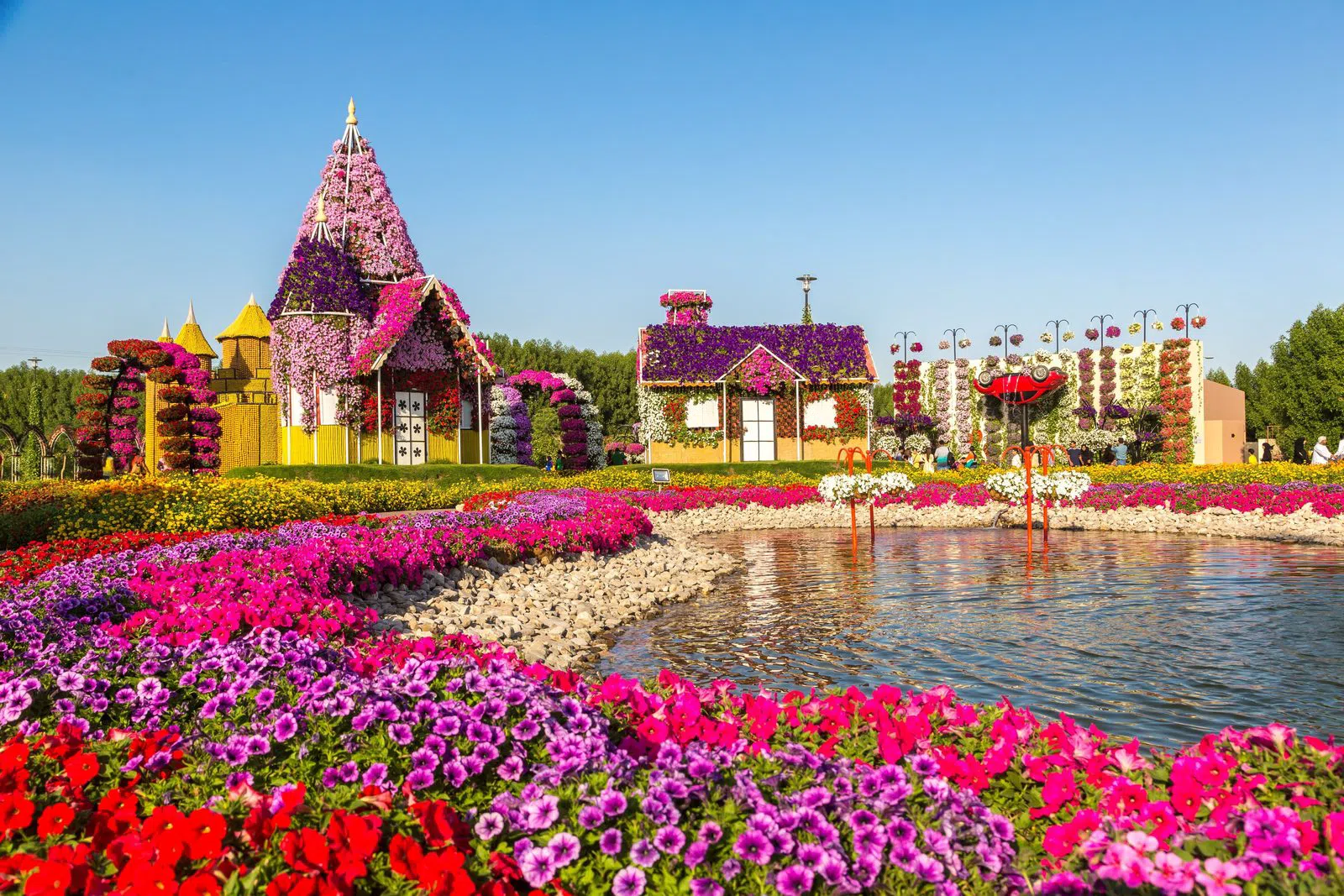
Dubai Miracle Garden (Dubailand) closes from 31 May to 30 September every year without exception, so October is the first chance to see it. Opened in 2013 on what was empty desert edge, it is a genuinely strange thing: millions of bedding plants arranged into arches, hearts and full-size aircraft, kept alive on recycled water. Entry is around AED 95 for an adult, nobody checks anything at the gate, and groups simply walk in. Weekend crowds are heavy and the photo queues get silly, so go on a weekday morning. Give it an hour. It does not reward an afternoon.
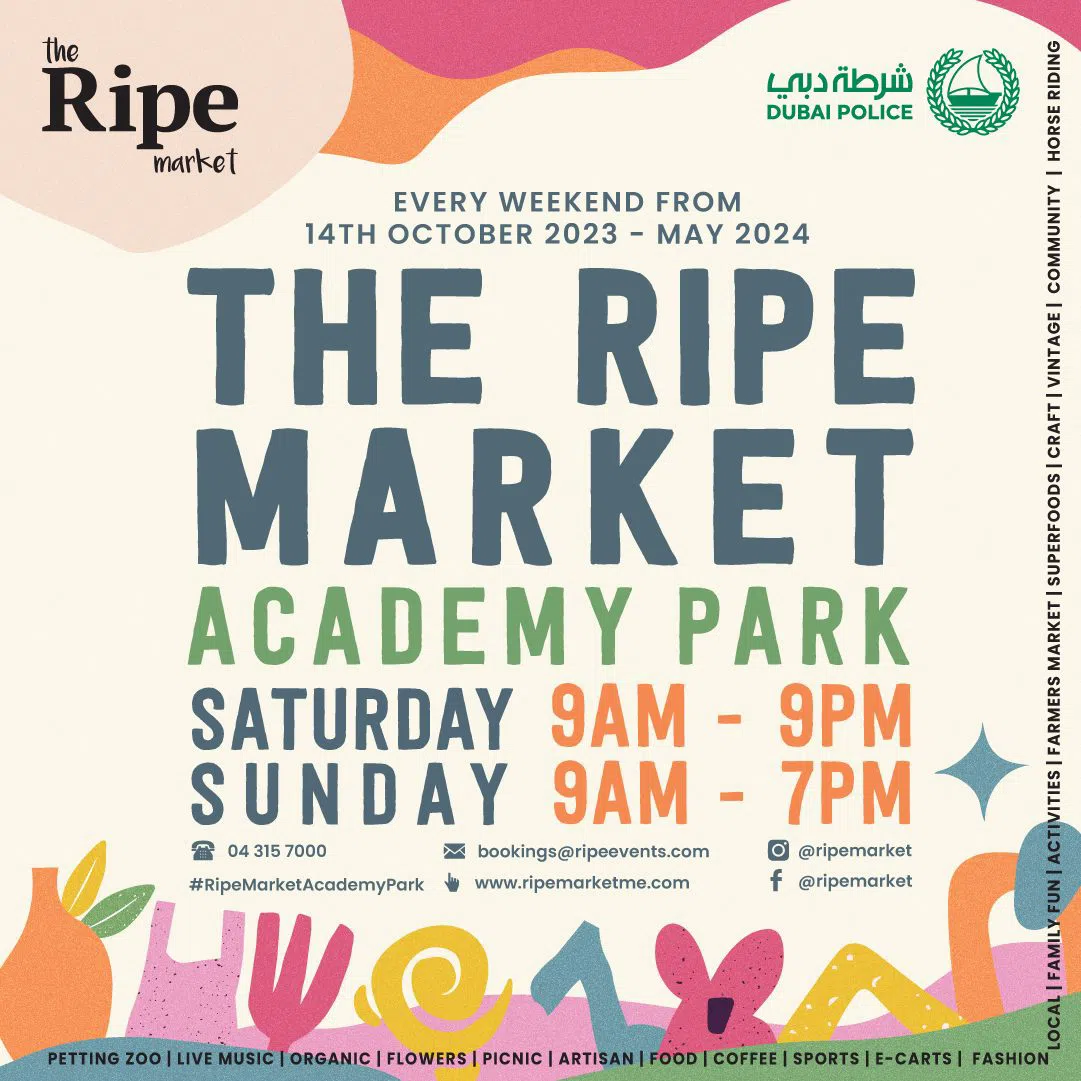
The Ripe Market — Academy Park (Umm Suqeim) opens every Saturday and Sunday, 9am to 9pm, from 10 October 2026 to 2 May 2027, which is close to a precise date for when the weather turns. Entry is about AED 5, the parkland is wide open, and there is nothing to book. Produce, small makers, kids' workshops and live music run through the day. It is the outdoor market residents use for their weekly shop, not a set-piece built for visitors.
Beaches that finally make sense

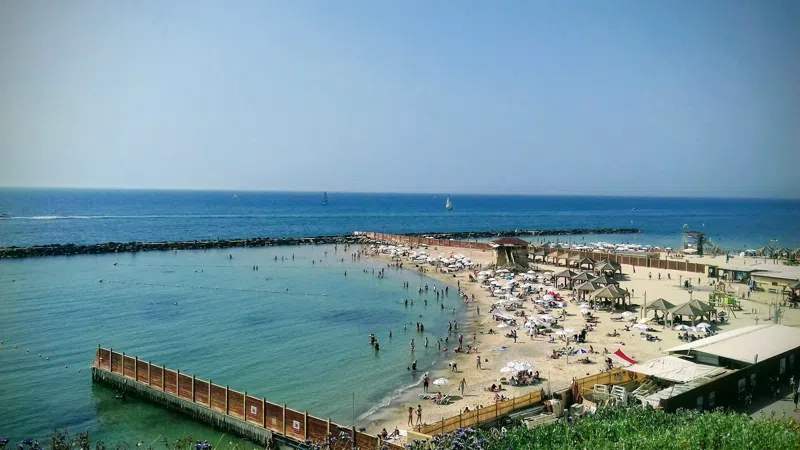
Kite Beach (Umm Suqeim) is the city's default outdoor living room once the heat drops. It is free and open 24 hours, with showers and changing rooms, a lit running and cycling track along the Jumeirah coast, volleyball courts and kiosks renting boards and kites straight off the sand. Nothing is bookable and nothing needs to be. In October the water is comfortable instead of tepid, and the track fills after dark with people who would not have gone outside a fortnight earlier. Board and kite hire cost extra; everything else is free.
J1 Beach (Jumeirah 1) is the other end of the scale. This is the strip that replaced La Mer, rebuilt and reopened from late 2024 as a line of beach clubs including Gigi Rigolatto and Sirene Beach by Gaia. Use the current name, because older guides still send people to a La Mer that no longer exists. Each club takes its own table and sunbed reservations, minimum spends apply, and weekend walk-ups are unlikely to work. Expect around AED 400 for a sunbed, usually with part or all of it redeemable against food and drink. It suits couples and organised groups who have decided in advance to spend, and not anyone hoping to wander in and see how it feels.

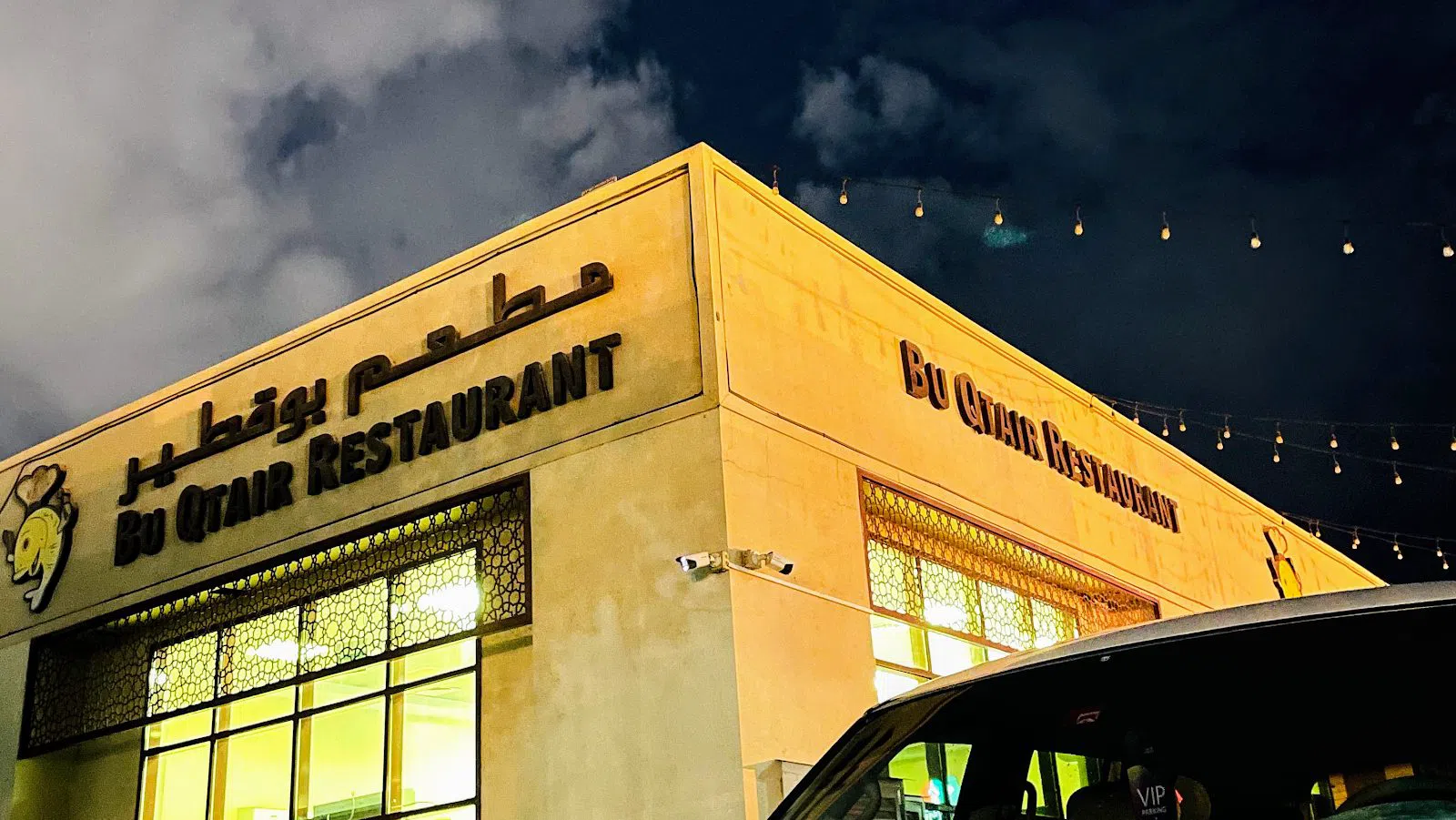
Bu Qtair (Umm Suqeim) is the counterweight to every club on this list. It started as a hut by the shore in the late 1980s, feeding fishermen and taxi drivers, and the format has barely changed: you pick your fish from the tray at the counter, it goes into the fryer with a masala coating, and you wait for one of the plastic tables outside near the harbour. Walk-in only, no bookings, roughly AED 50-80 a head. Groups are fine, but there will be a queue and a wait for an outdoor table at peak hours. It earns its place here because eating outside at Bu Qtair only makes sense from October.
The old city, on foot at last
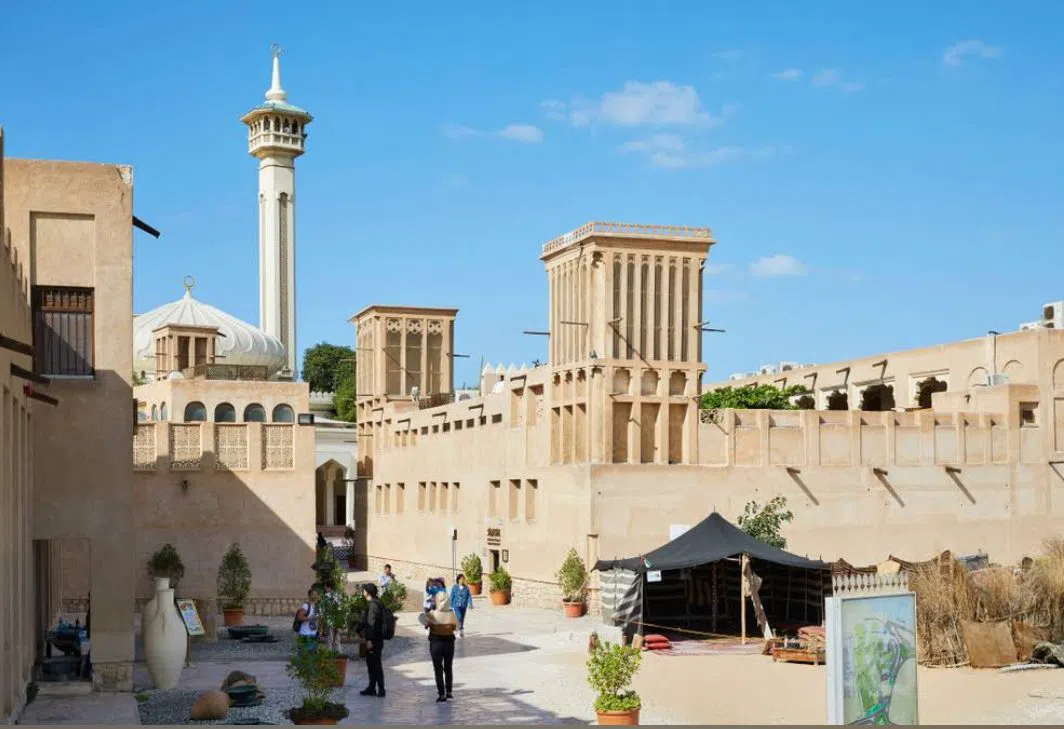
Al Fahidi Historical Neighbourhood (Bur Dubai) is the best two hours of walking in Dubai, and October is when walking becomes possible again. The coral-and-gypsum houses with their wind towers date from the turn of the twentieth century, built by merchant families who came across the Gulf for the pearl and re-export trade; the towers are the region's original air conditioning, funnelling any breeze down into the rooms below. The lanes are public, free and unticketed, with small museums and galleries charging modest entry. Deliberately narrow alleys mean small groups move through it far better than large ones, and the density of galleries and courtyard cafés means nobody is left standing about with nothing to do.

The Sheikh Mohammed bin Rashid Al Maktoum Centre for Cultural Understanding (Al Fahidi) sits a few streets away and has been running since 1998 under an open-questions rule: ask anything, including the things people are usually too polite to ask. Cultural breakfasts, lunches, dinners and a Saturday brunch run to a fixed weekly schedule, seating is communal by design and group bookings are standard, but you must book in advance. Around AED 150 a head. It is the rare cultural experience that is an actual conversation and not a performance.
Arabian Tea House (Al Fahidi) opened in the same quarter in the late 1990s under a different name and is now approaching thirty years in business. It is the easiest place in the city to eat proper Emirati food without ceremony (chebab pancakes and balaleet for breakfast, machboos later), and the white-and-turquoise courtyard is the entire point in October. Open daily 7am to 11pm. Groups are welcome and the courtyard tables can be pushed together, but book ahead at peak times for the Al Fahidi branch. Budget to mid-range.

From Bur Dubai, cross the Creek by abra to the Deira Old Souk landing for the Deira Gold Souk and Spice Souk (Deira). The crossing costs AED 1 per person in cash, takes a few minutes on a wooden boat that seats around twenty, and is the cheapest memorable thing in Dubai; a large party will simply split across two boats. The Creek is where the city's trade began, and the souks are still working markets, not reconstructions: the spice lanes are a few steps from the landing, the gold lanes a few minutes beyond, and haggling in them is firm and expected. Everything is open, free to browse and easy with a group.

An afternoon among the galleries
Alserkal Avenue (Al Quoz) occupies a block of converted marble and cement warehouses in the industrial quarter, opened in 2007 by a family whose business was there long before art was. There are over twenty galleries plus an independent cinema in one walkable block, all free to enter, and the programme now runs year-round instead of clustering around festival weeks. Best Tuesday to Saturday afternoons. The avenue goes pedestrian-only from 7pm on weekdays and all day at weekends, which is what makes it somewhere to spend an evening outdoors in the cooler months instead of a dash between doorways. Galleries and the public programme are free; the cinema, food and workshops charge.
Where the city runs out
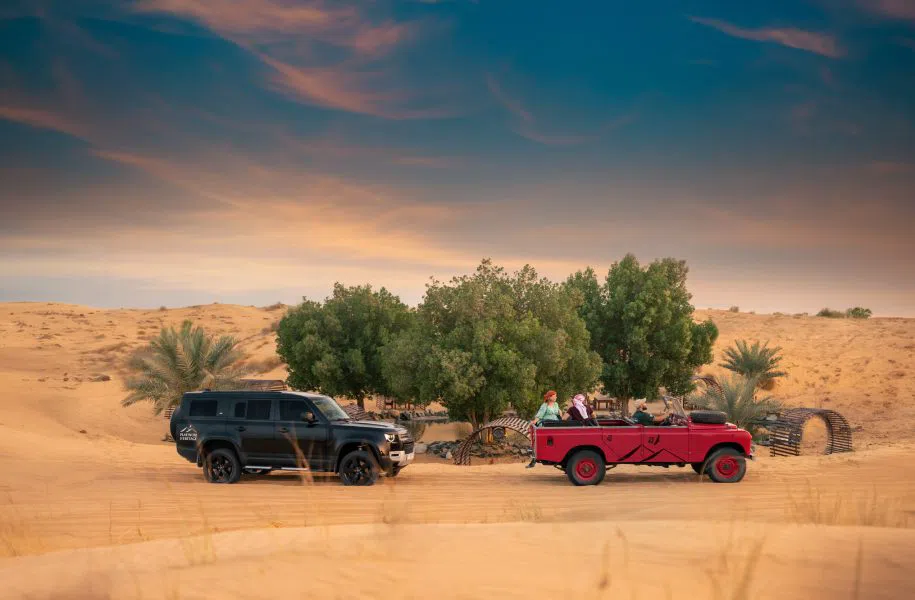
Platinum Heritage (Dubai Desert Conservation Reserve) reopens on 1 October 2026 after the summer break, and it is one of the few operators licensed to work inside the reserve, a protected area established in the early 2000s that covers a substantial slice of Dubai's land. That licence is the whole difference between seeing oryx and gazelle on undisturbed sand and seeing a dune-bashing car park on the reserve's fringes. Expect roughly AED 500-1,000 or more per person depending on the collection you choose. Shared vintage Land Rovers seat small parties comfortably; private Defenders and whole-camp bookings exist for larger ones. Book directly and book early in the month, because the first weeks back are busy.
Hatta Wadi Hub (Hatta) is ninety minutes from the city and the one day trip that actually feels like leaving Dubai, a mountain exclave in the Hajar range where the dam holds back a reservoir of improbable green. Entry is free and you pay per activity, roughly AED 60-120 each, so a mixed group can split across kayaks, mountain bikes and the hillside slides without anyone paying for something they won't use. Open 9am to 7pm Monday to Thursday and until 9pm Friday to Sunday, with kayaking on the dam running until sunset. You want a car for this one.

Height, water and a wetland
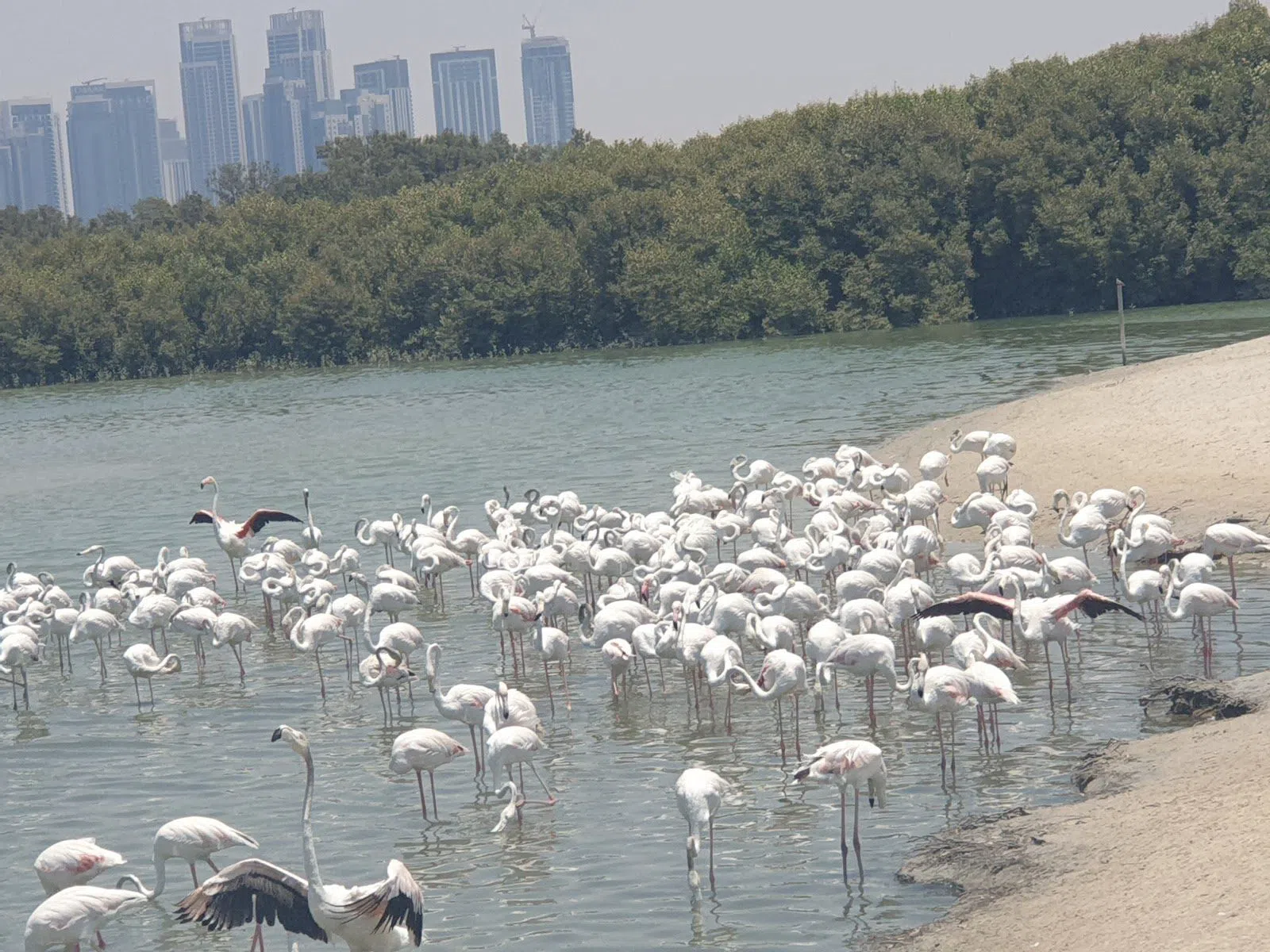
Ras Al Khor Wildlife Sanctuary (Ras Al Khor) sits at the head of the same Creek the abras cross, a protected saltwater wetland with motorways on every side. Two hides, Flamingo and Mangrove, are free to enter with binoculars provided. October is the front edge of the migratory season, so numbers build through the month instead of peaking at the start. Go early in the morning, and go in a party of a few rather than a coachload, because the hides really are small.
At the Top, Burj Khalifa (Downtown Dubai) works best as a timed booking about an hour before sunset: you get daylight, dusk and the lit city out of a single ticket. Tickets run roughly AED 149-769 depending on the level and the time slot, sunset slots sell out first, and groups are fine as long as everyone is booked into the same slot. Below it, the Dubai Fountain has been running its upgraded show since October 2025 and costs nothing at all from the lakeside. In October you can stand and watch it without wilting, which is not true in August.

Time Out Market Dubai (Souk Al Bahar, Downtown) is the sensible dinner in the same few hundred metres: seventeen homegrown kitchens under one roof, open noon to midnight and later on Thursdays and Fridays. No reservations, communal tables, everyone orders from a different counter, which makes it the easiest group meal in the city. Terrace seats are first-come and worth arriving early for, because they solve the usual problem of eating somewhere decent and still seeing the fountain.

Five days that don't fight the weather
Day one, ease in: morning at Kite Beach, a late lunch at Bu Qtair, then the Time Out Market terrace and the fountain after dark. Day two, the old city: abra across the Creek early, the spice and gold lanes, Al Fahidi's alleys, and a pre-booked cultural meal at the Centre, with Ras Al Khor first thing if you are an early riser. Day three, the desert with Platinum Heritage from mid-afternoon into the night. Day four, drive to Hatta and be back for a quiet dinner. Day five, Miracle Garden at opening, Alserkal Avenue in the afternoon, and a sunset slot at the Burj Khalifa, or Global Village all evening if the season has opened by then. Weekend dates shift the Ripe Market into the morning of whichever day is Saturday or Sunday.
More on individual areas and where to base yourself sits in the wider Dubai guide.
The practical part
Getting around. The Metro is clean, cheap and covers Downtown, the beaches at a distance and the airport; buy a Nol card at any station and tap on and off. Taxis and ride apps are plentiful and reasonable by international standards, and you will use them for Al Quoz, Ras Al Khor and the beach strips, none of which are properly walkable from a station. Hire a car for Hatta and only for Hatta, since a day rate is far cheaper than a driver waiting for you in the mountains. Desert operators collect you from your hotel.
Money. The dirham is pegged to the US dollar, so prices behave predictably and there is nothing to time. Cards work nearly everywhere, but carry small notes: the abra is AED 1 cash, souk stalls prefer cash, and it strengthens your hand in a gold-lane negotiation. Tipping is appreciated, not enforced: round up, or ten per cent where service isn't already added.
Timing and dress. The working week runs Monday to Friday with a short Friday, and the weekend is Saturday and Sunday, so the beaches, markets and Global Village are busiest then. Around midday on Friday the souks thin out for prayers, which is a good moment to be somewhere else. Shoulders and knees covered in the old quarter, at the Centre and in the souks; swimwear at the beach and beach clubs only, not on the walk back.
Budget. A day of free and near-free outdoor Dubai (Kite Beach, the abra, Al Fahidi, Ras Al Khor, Alserkal) costs almost nothing beyond taxis and a AED 50-80 fish lunch. The expensive items are the desert (AED 500-1,000+), a beach club sunbed (around AED 400 with redemption) and a sunset observation slot (up to AED 769). Two of those three in five days is plenty. Rates climb steadily through October as the season builds, so book beds early; start with a Dubai hotel search and hold something refundable while your dates firm up.
October asks one thing of a visitor: stop treating the outdoors as a corridor between air-conditioned rooms. For a few weeks, it is the destination.
Before you go
Is October really a good month to visit Dubai?
The second half of the month is much better than the first ten days. Early October still brings high-thirties afternoons and lingering humidity, with the sea around 30°C. By the last week, afternoons sit in the low thirties, evenings in the mid-twenties and the humidity has dropped. If you can choose your dates, take the back half of the month, which is also when most seasonal venues have opened.
Is Global Village open in October 2026?
Season 31 is confirmed for October 2026 to May 2027, but the opening date and ticket prices had not been announced when this was written, so check the official site before you build an evening around it. Entry is walk-up with no reservation, the gate ticket is nominal, and food and rides are paid separately.
Can I visit Dubai in October without hiring a car?
Yes, for almost everything. The Metro plus taxis and ride apps cover the beaches, Downtown, the old city and Al Quoz comfortably, and desert operators collect you from your hotel. The one exception is Hatta Wadi Hub, ninety minutes away in the mountains, so hire a car for that day only.
What should I wear, and where does it matter?
Cover shoulders and knees in Al Fahidi, in the souks and at the cultural centre, and wear light, loose fabrics everywhere in early October. Swimwear is fine at Kite Beach and the J1 Beach clubs but not on the walk back or in a mall. Bring something with sleeves for evenings later in the month, when it does cool down.
How much should I budget for five days?
Much of the best outdoor Dubai is free or close to it: Kite Beach, the AED 1 abra crossing, Al Fahidi, Ras Al Khor and Alserkal Avenue. The big-ticket items are a desert safari at roughly AED 500 to 1,000+ per person, a beach club sunbed around AED 400 with food-and-drink redemption, and a Burj Khalifa observation slot from AED 149 to AED 769. Two of those three across five days is enough.